
Virtual reality
in the service
of health.
Four pathways for integrating virtual reality into clinical practice and programmes that support the individual.
Immersion meets
person-centred care.
Technology is the starting point.
The pathway is built around the individual, with guidance from professionals.
One tool.
Four areas of application.
Immersive environments, guided content and methods of use defined according to the clinical context.
Discover the system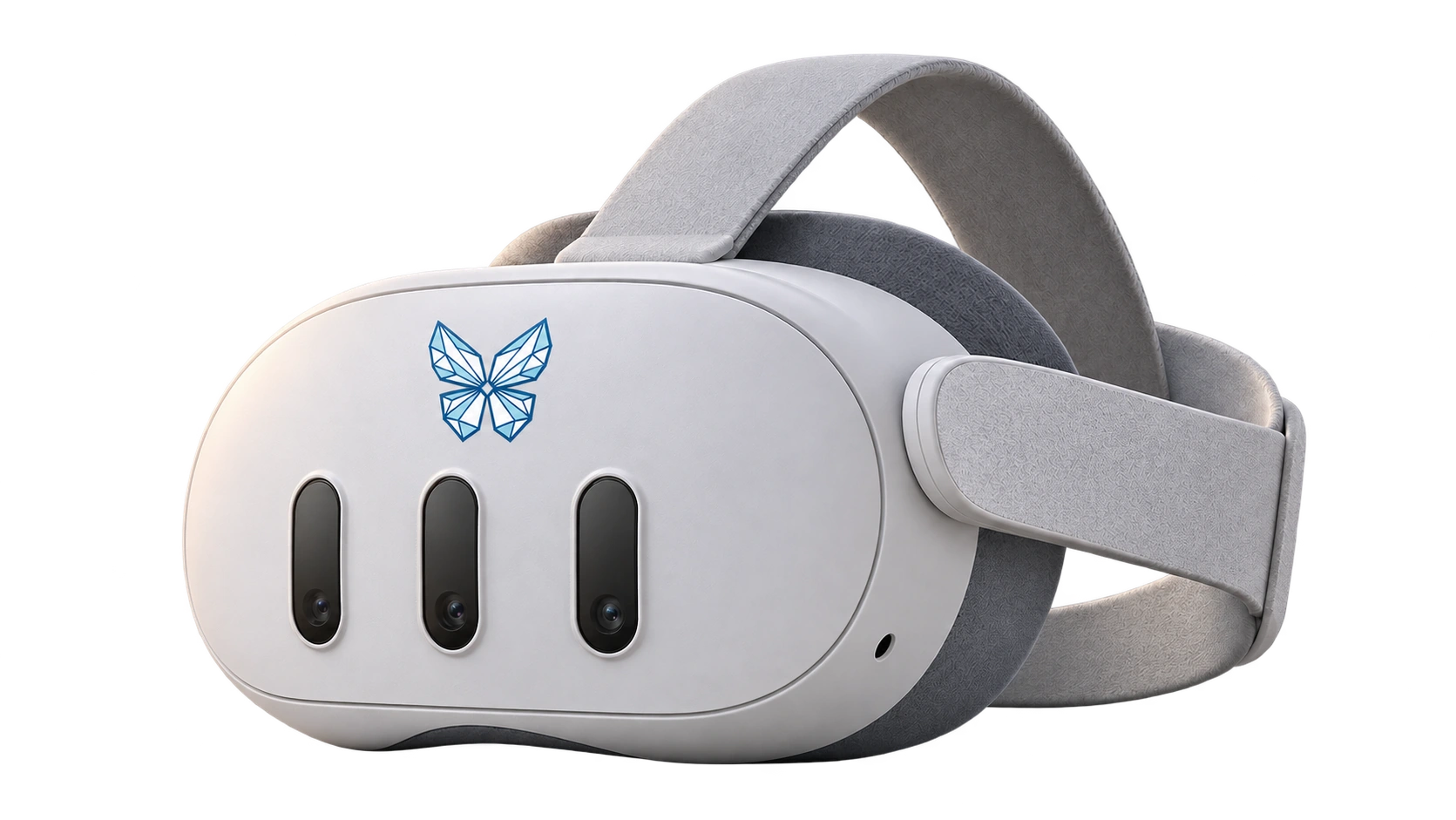
Find the pathway that interests you.
Immersive experiences.
Dedicated care pathways.
Select an area of interest to learn about intended users, settings and methods of use.
Procedural anxiety and pain
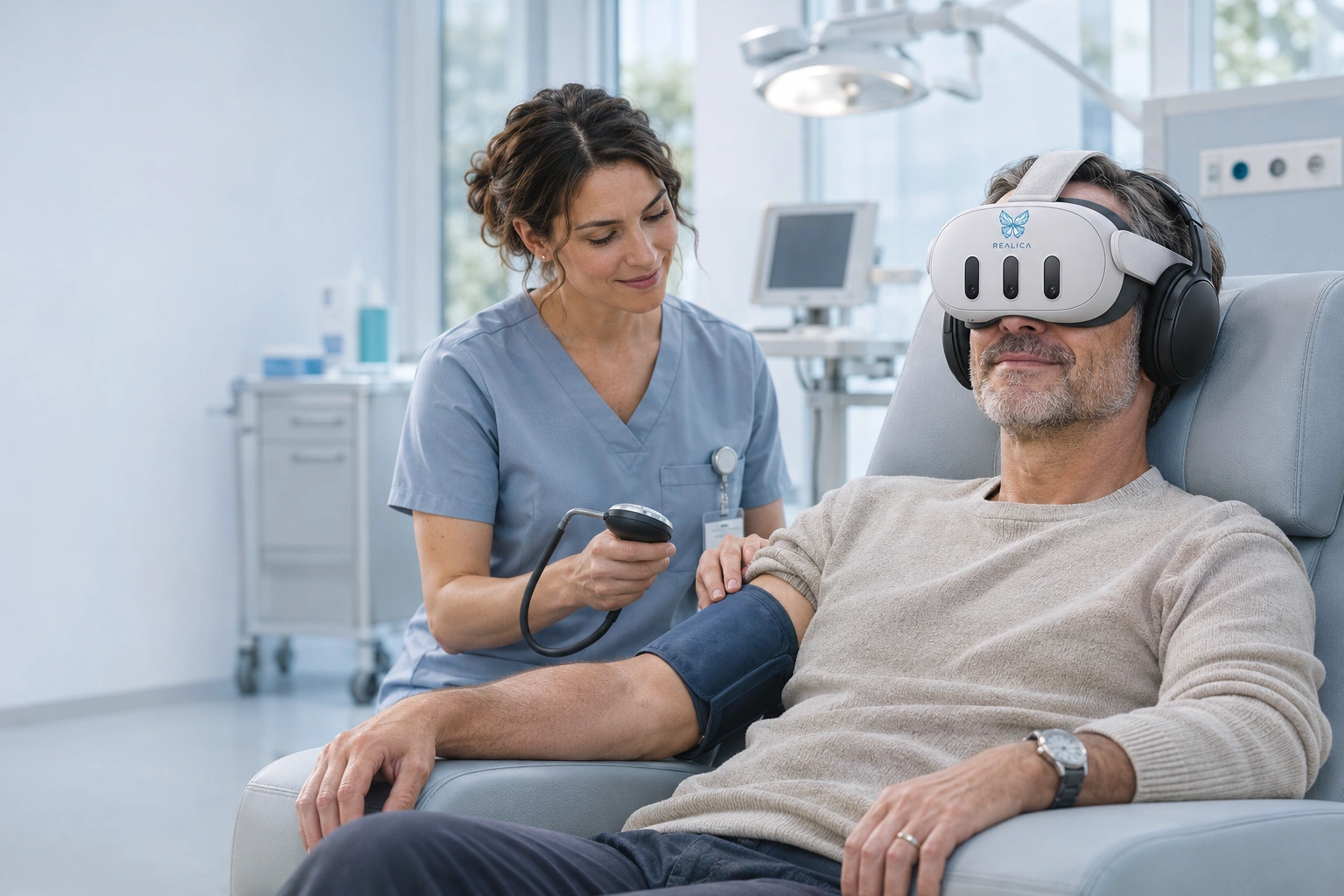
Digital sedation and immersive distraction, guided relaxation and support for managing anxiety and pain during medical, surgical and dental procedures.
Autism, ADHD and special needs
OASI VR: preparation for healthcare and psychoeducational support for children and young people with autism, ADHD, neurodivergence or special needs.
Cognitive stimulation
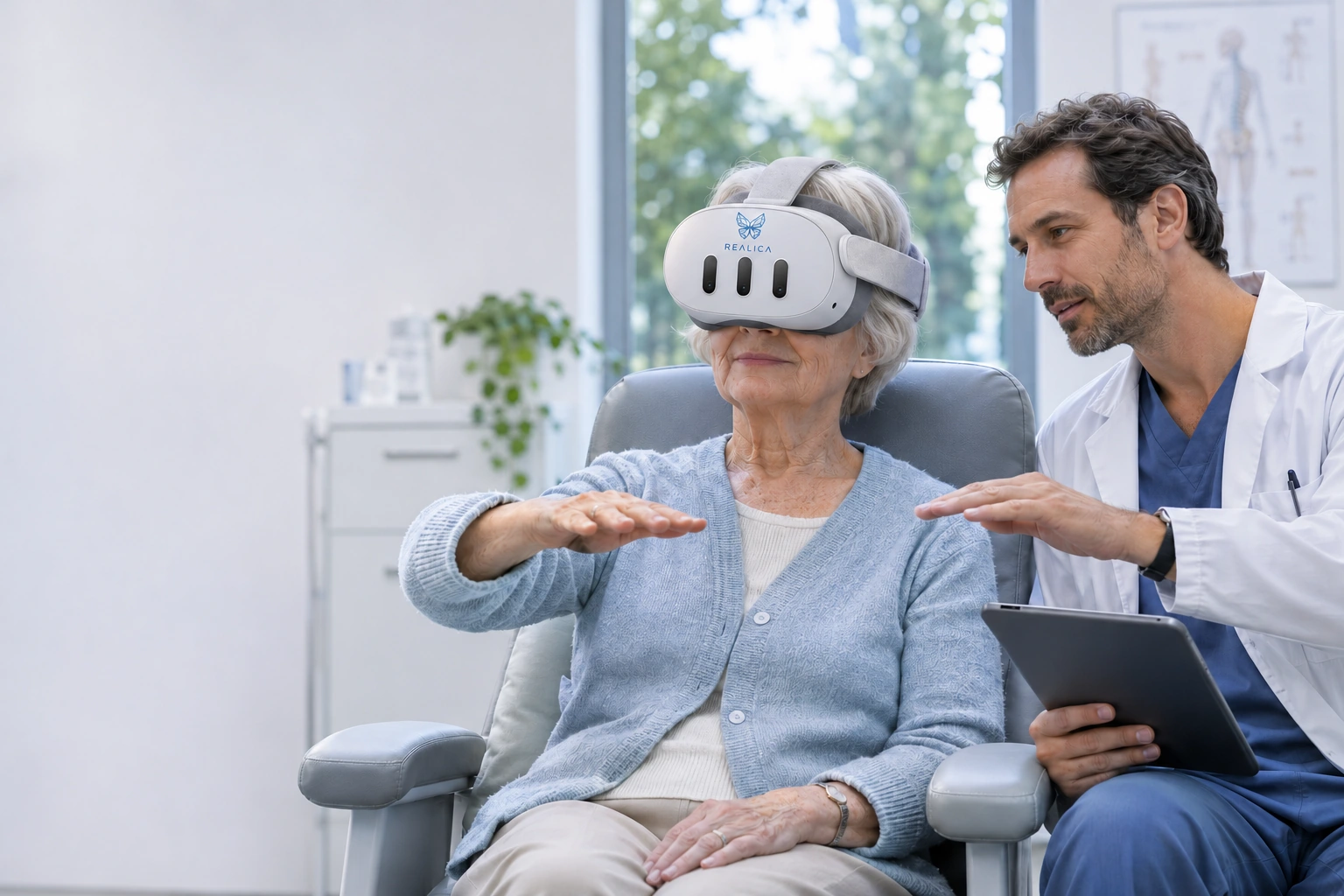
LUCIDA VR: immersive, personalised and supervised cognitive stimulation for people with cognitive decline, MCI and early-stage Alzheimer's disease.
Frailty and cancer care
Immersive distraction and relaxation experiences for comfort and emotional wellbeing during cancer treatment and care for people living with frailty.
A pathway.
To build together.
The value of the experience comes from bringing technology together with those who care for the individual.
Getting to know the person
The team assesses the context, individual needs and preferences, together with the feasibility of using the headset.
Defining the pathway
Goals, content and methods of support are chosen according to the clinical situation.
Taking part in the experience
The person is supported throughout the session, with a clear way to communicate and ask for a break.
Observing and adapting
Feedback from the person and professionals' observations help assess the experience and the next steps.